Service 02
Brand journalism
Sponsored content (the advertorial, if you prefer the older word) built like journalism: an angle, facts, and people talking about what they actually do. That is what makes it watchable to the end.
The approach
An angle, not a list of talking points
It does not recite the brand's messages: it shows a real situation where they become obvious. Most of the work happens before the shoot.
- An editorial angle, defined and approved
- Speakers talking about their own trade, not reading a statement
- Real locations filmed, not just a set
- The outlet's disclosure requirements respected
- A running time calibrated to the outlet, from 45 seconds to long form
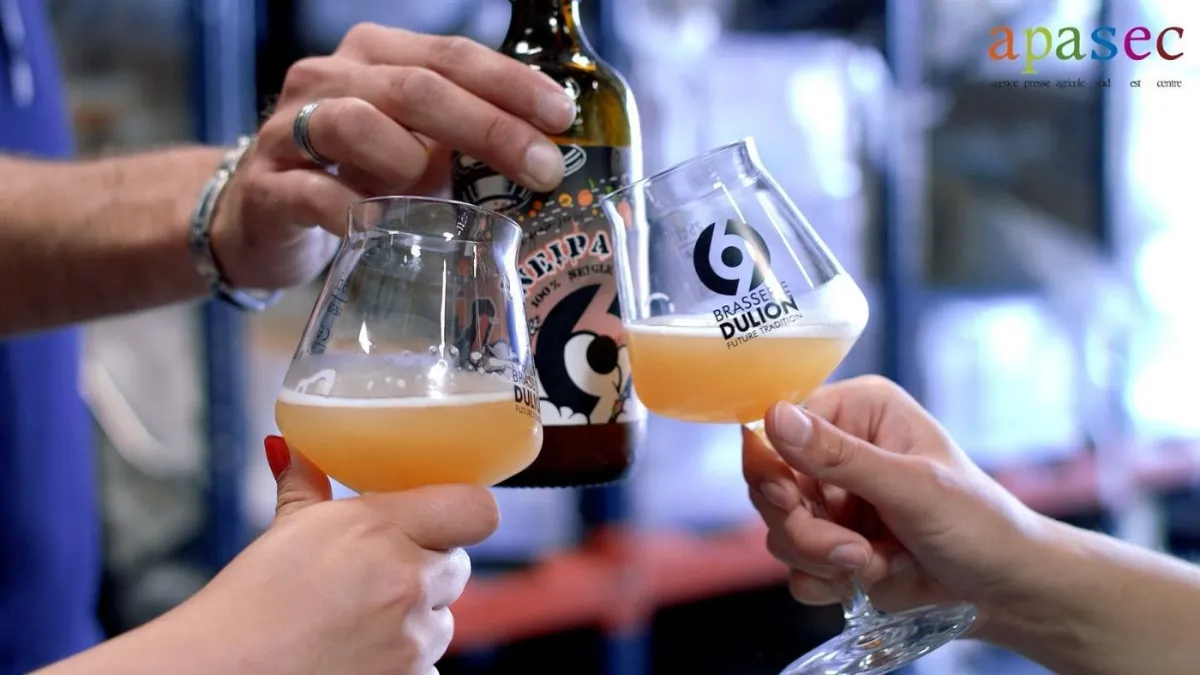
How it runs
From the angle to the airing
Angle and approval
An angle that serves your message and holds the viewer's interest. You approve synopsis, speakers and locations.
Preparation
Speakers, permissions, schedule, the outlet's constraints checked up front.
Shoot
2-camera interviews, sequences filmed as things happen, atmosphere sound. A light setup.
Edit
The main version, then shorter cuts from the same shoot, subtitled, calibrated for each outlet.
Deliverables
What you receive
- Main version in the outlet's format and running time
- 2 to 4 short cutdowns in 1:1 and 9:16
- Burnt-in subtitles: your films also work with the sound off
- Commercial-content disclosure matching the outlet's rules
- Thumbnails and stills from the shoot
- Signed releases from everyone filmed
Equipment
The technical setup
- 2 cameras on interviews, on distinct shot sizes
- Wireless lavalier and boom, audio recorded twice
- Portable lighting, rigged in under 20 minutes
- 4K acquisition, delivery in 1080p or 4K to suit the outlet
- Graphics in the brand's or the outlet's colours
- A consistent grade across location and interview footage
Distribution
The outlet has the last word
Brand journalism is commercial content and has to present itself as such, each outlet in its own way. Those rules get settled at the writing stage.
For each outlet: what it requires, then what I do with that
Press and news sites
The content must be identifiable as commercial: a “sponsored”, “partner content” or equivalent label as set out in the outlet's own code.
I ask for that code before writing: it decides the running time, the format and the tone.
YouTube and video platforms
The video must be declared as commercial communication in the settings of the channel publishing it.
The brand goes into the story, not into an end card.
Social media
The partnership must be visibly disclosed, and the video plays with the sound off by default: the message has to survive on picture alone.
I frame with the vertical recrop in mind: what matters stays centred.
Regulated sectors
Healthcare, energy, industry: the wording, the claims and the faces on screen all go through your internal approvals before release.
Your approval chain goes into the schedule, however long it is.
The last word belongs to the outlet's code and your legal team. A constraint I do not know, I tell you rather than guess.
Frequently asked
What I get asked most
Do you deal with the outlet that publishes it?
Can we approve the edit before it goes out?
How many cutdowns can one shoot produce?
Who writes the commentary?
Contact
A brand journalism to produce
The outlet, the deadline, the subject you have in mind: I come back with an angle and a figure.